
Heritage Sites
About Us
THE EMAKHOSINI OPHATHE HERITAGE PARK
The vision for the Emakhosini Ophathe Heritage Park is to recreate, as far as possible, the centuries-old historical, cultural, and natural landscape of the Emakhosini Valley into which the legendary King Shaka was born. Heritage sites in the park are administered by the provincial heritage conservation agency – Amafa AkwaZulu Natali, whilst the biodiversity is managed by the KwaZulu-Natal Wildlife. The Park comprises an amalgamation of the 12000ha, Ophathe Game Reserve and 13000ha Amafa-owned land containing some of the province’s most important sites.
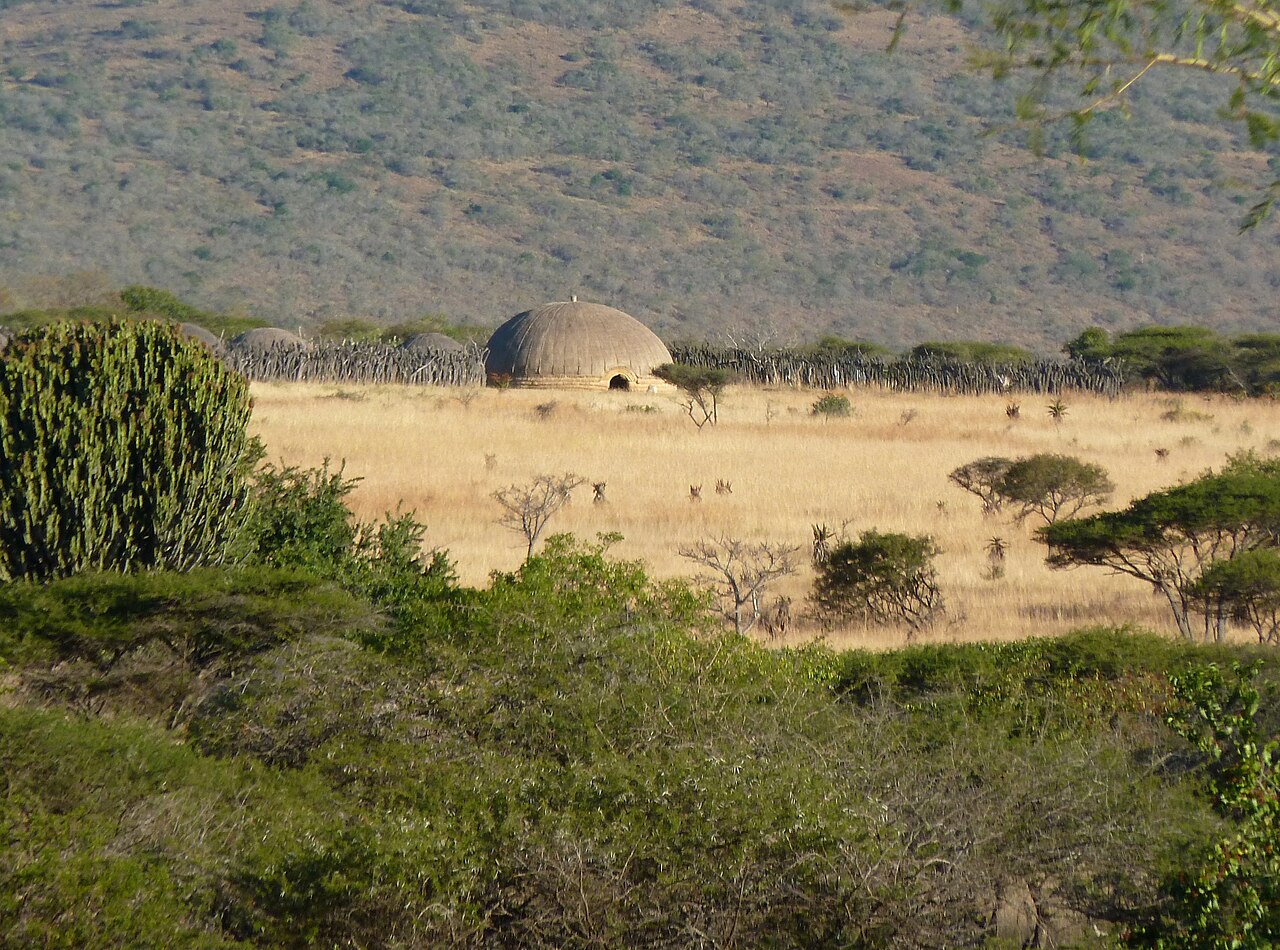
MGUNGUNDLOVU
After assassinating his brother, King Shaka, Dingane took the Zulu throne in 1828. He established his capital at Mgungundlovu. During his reign, tensions between the Zulu nation and the newly arriving British and Boer settlers increased. The eventual defeat of the Zulu army by the Boers forced King Dingane to flee, torching his capital behind him. Today, part of the royal enclosure has been reconstructed based on archaeological evidence. Visitor facilities include a site museum, shop, and toilets. A Site guide is available.
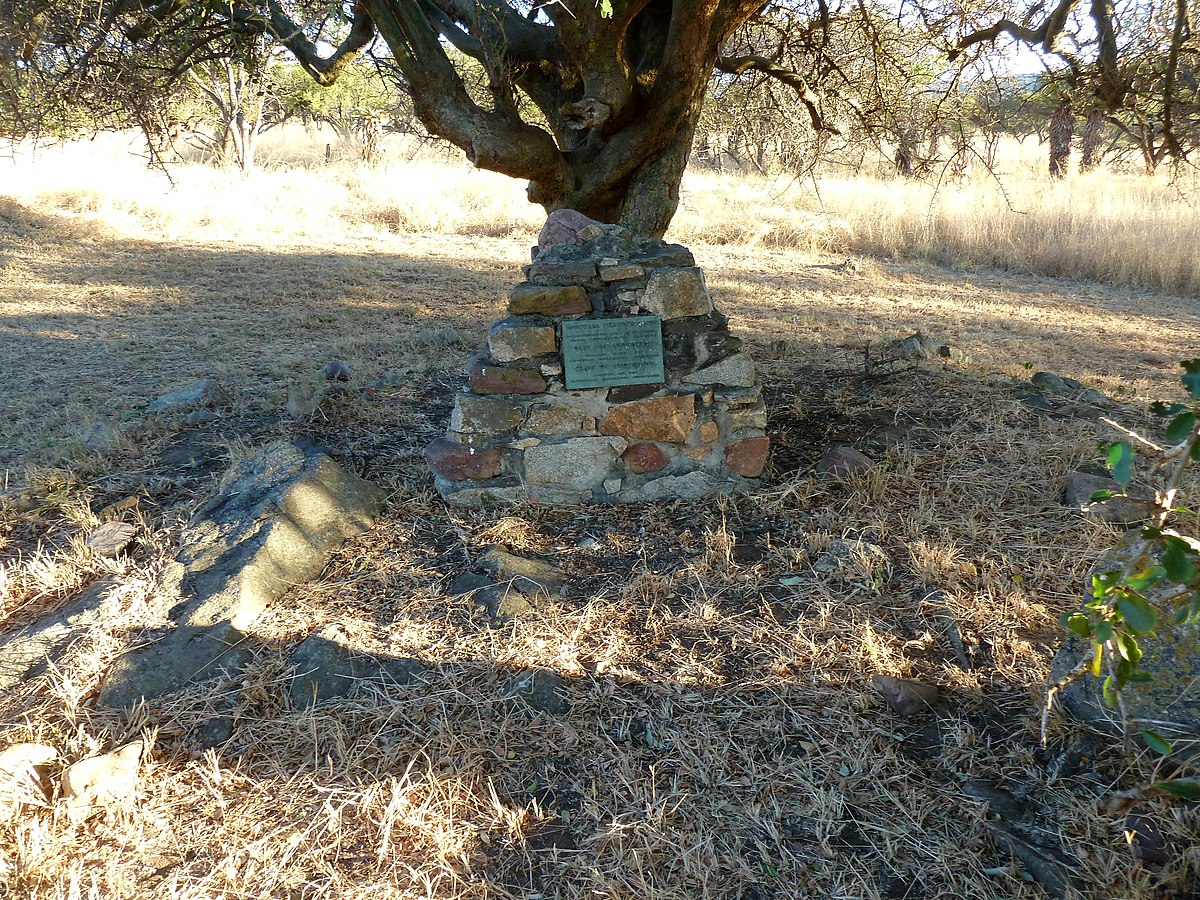
THE GRAVE OF NKOSINKULU
Nkosinkulu settled in the Emakhosini Valley in the early 17th century. He was the progenitor of the Zulu clan. His grave is located near the Mgungundlovu site museum. Visitors to the site should be accompanied by the site guide.
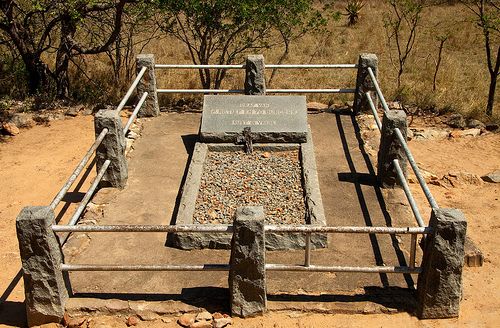
THE GRAVE OF PIET RETIEF
In 1838 the Boer leader Piet Retief and 70 followers were killed at KwaMatiwane (the hill of Execution” at the command of King Dingane. Following the signing of a controversial land treaty. The site is located near the Mgungundlovu site museum and is marked by a monument erected in 1992.
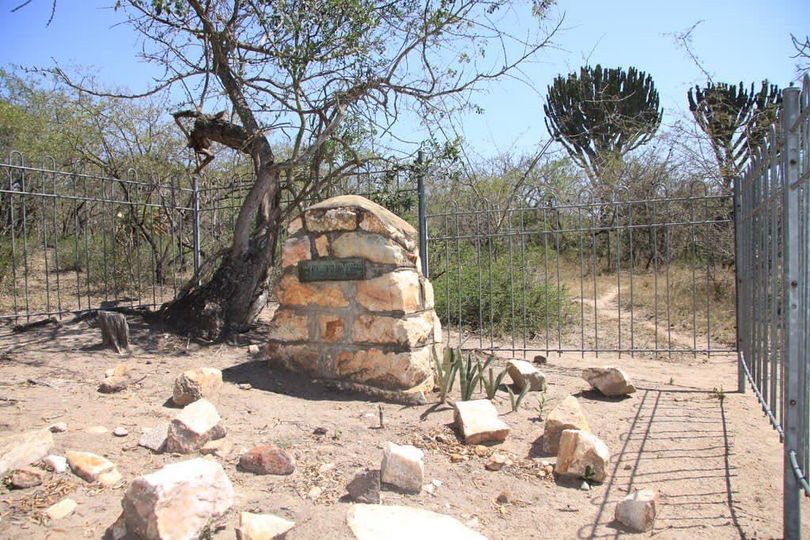
THE GRAVE OF INKOSI SENZANGAKHONA
Inkosi Senzangakhona ruled the Zulu clan until his death in 1816. He was the father of three successive Zulu Kings: King Shaka, King Dingane, and King Mpande. A memorial stone and interpretation were erected in 2004. Visitors to the site can inquire at the Mgungundlovu site museum.
THE GRAVES OF EARLIER ZULU KINGS: JAMA, NDABA AND QUEEN MTHANYIA
The graves of Ndaba and Jama, who respectively preceded Inkosi Senzangakhona, are located near the main road through the valley. The grave of Queen Mthanyia, mother of Senzangakhona, is also located close to the road. The graves of Phunga and Mageba, who ruled even earlier, are located some distance from the road. Memorials and interpretations were erected at these sites. Visitors who wish to visit these sites should enquire at Mgungundlovu site museum.

THE GRAVE OF KING DINUZULU
King Dinuzulu, who succeeded King Cetshwayo, reigned from 1884 until 1913. He spent much of his reign in exile on St. Helena Island and, later, the Transvaal. He was buried at KwaNobamba just outside the park.

SPIRIT OF THE EMAKHOSINI
The Spirit of the Emakhosini is a monument to the Zulu people. It comprises, on a grand scale, a bronze Zulu beer pot, surrounded by the horns/tusks of seven animals associated with the Zulu. The pot stands on a beaded plinth accompanied by bronze reliefs of scenes of traditional Zulu life. The beer -pot is an item found in every household and is symbolic both as a receptacle of the valley’s heritage and of a spirit of togetherness. The horns symbolize the seven Zulu kings who are buried in the valley. Information is available at the site and there are site guides to assist visitors. Great view of the Valley of the Zulu Kings. Toilets and wheelchair access.

BATTLEFIELDS
The Battle of Gqokli Hill was fought between the forces of King Shaka and Inkosi Zwide of the Ndwandwe in 1818. Although he faced a numerically superior enemy, King Shaka’s military tactics won the day, and he scored a huge victory. Two other generals, who would later find nations on the sub-continent, were involved in the battle. They were Soshangane, who founded the Shangane nation in Mozambique, and Mzilikazi, who founded the Ndebele in today’s Limpopo Province and southern Zimbabwe. A battlefield view site offers a good view of the field of battle as well as interpretation. It is in the Ophathe area of the park. This site also offers a good view and interprets the Ophathe Battlefield, where a running battle between Zulu and Voortrekker forces was fought in late 1838.

GAME VIEWING: OPHATHE
Within the Ophathe area of the park, there are 28km of good roads. There are numerous watering points within the area, and a covered hide is provided for one of these. The area represents a range of ecosystems, from riverine forest to mist belt grassland. It is stocked with black and white rhinos, giraffes, wildebeest, zebra, and the local antelope species. Cliff faces provide nesting sites for bald Ibis, white-backed vultures, and black eagles, which are just a few of the 250 recorded species in this park which is on the Zululand Bird Route. There are several picnic spots where day visitors can visit.